Dance
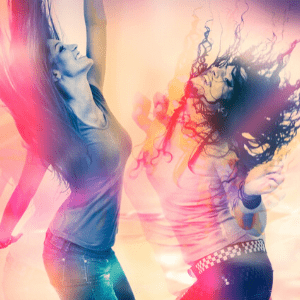
What is dance?
How did dance develop?
As mentioned, dance may have been one of the first ways that early people expressed themselves, perhaps dancing through the events of the day by some prehistoric fire in the evening. If so, then it seems that dance may be fundamental to social cohesion and one of the earliest examples of culture we have as a species. Archaeological evidence demonstrates that people have danced for at least 9,000 years and probably more. In written testimony, dancing was mentioned as far back as the times of Ancient Greek writers like Plato and Aristotle. As theatre began to take off, so movements became more formalised, leading to the classical forms of dance we are more familiar with today. Folk dancing appears to have developed entirely separately within communities, however.
Can dance be a sport?
Some people compete when dancing in a sport-like manner. There are numerous Latin and ballroom competitions around the world, for example. That said, dancing is not regulated in the same way as most sports. The closest true sports that use elements of dance and expressive movement are rhythmic gymnastics, synchronised swimming and figure skating.
How does dance affect the brain?
Like all forms of physical exercise, dancing will impact on brain function. Taking part in dancing activities will typically release endorphins in the brain, which make people feel good and help them to maintain a positive mood. Because dance steps need to be remembered, engaging in it will help to promote better memory function, particularly spatial memory. Some studies suggest that dancing can help people to stave off brain disorders in later life, such as Alzheimer’s disease, for example.
How can you get into dancing?
Anyone can dance even if they have physical conditions that limit their movement. Simply put some music on and get moving to begin with. Dance classes are staged in nearly every town and city in the western world. Many of them will offer free taster sessions to see how you get on with certain styles. Remember that most novices face a steep learning curve so you must not think that you cannot dance if you are starting out and making errors. It happens to everyone, including professional dancers so don’t give up!
Articles about Dance
Top 3 inspiring movies and documentaries about happiness
Movies and documentaries about happiness make a nice alternative to reading when it comes to self-help. Here's our pick of films about happiness to watch.
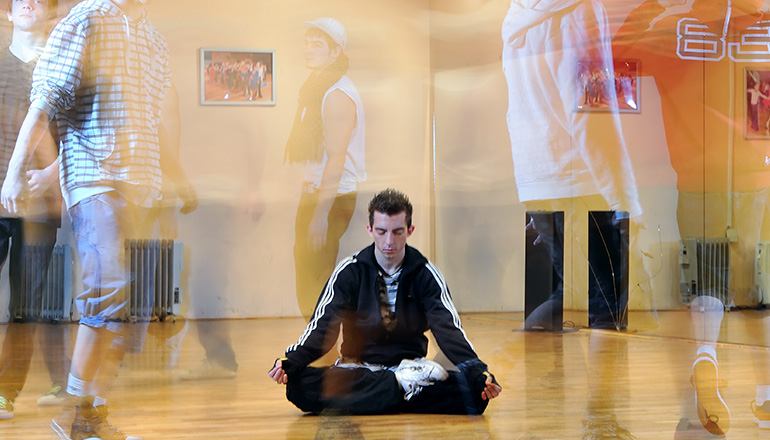
5Rhythms as a movement meditation practice
Meditation doesn't always have to mean sitting in the lotus position. 5Rhythms dance is a great way of moving your body and feeling the benefits of relaxation.
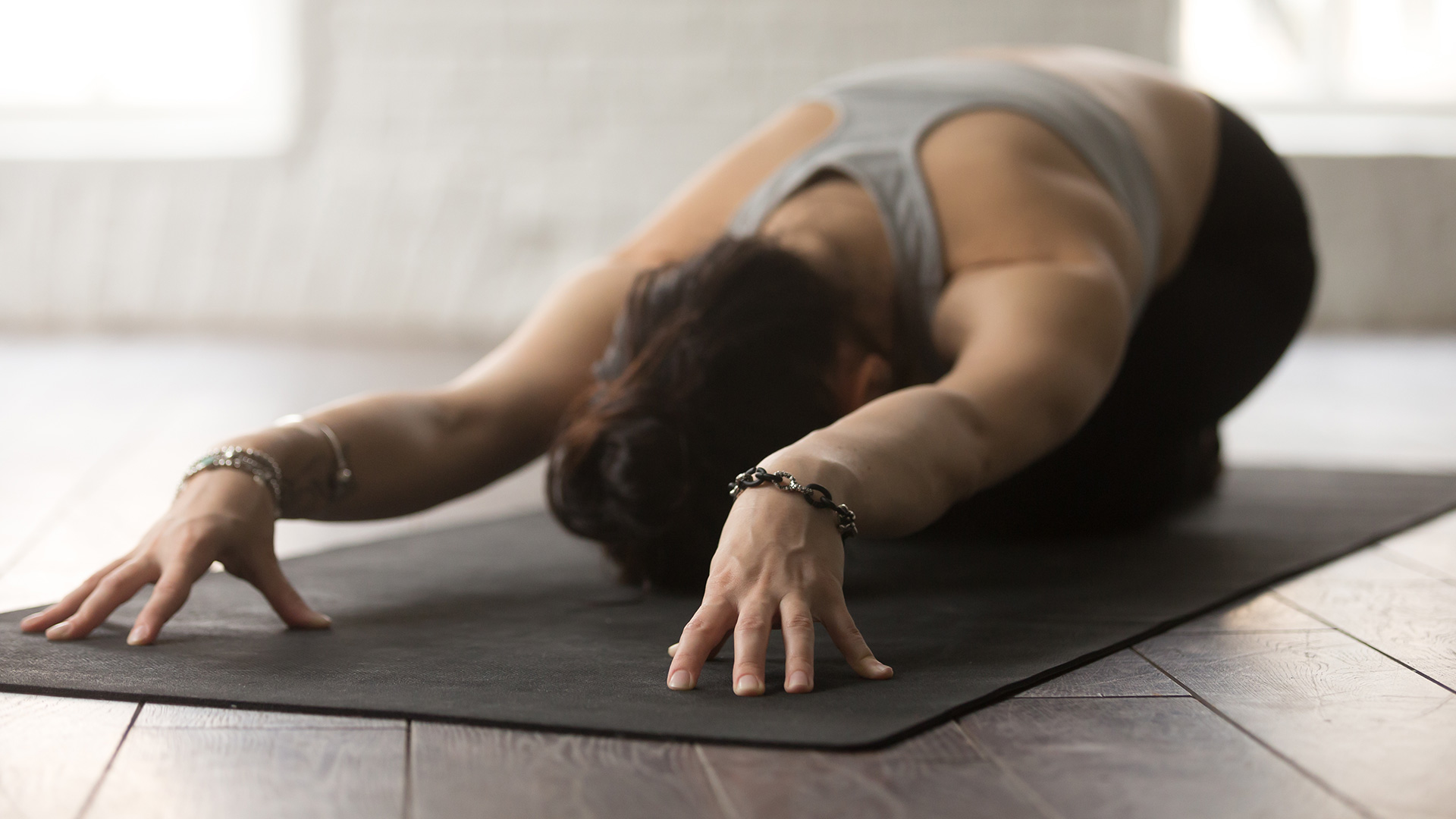
Trauma sensitive yoga: my personal journey
Trauma-sensitive yoga helped our writer on her path to finding and creating a perfect practice to fight PTSD, depression and anxiety. Here's her story.