LGBTQ
What is LGBTQ?
How many LGBTQ people are there in the world?
Due to the cultural differences in countries around the world, there is no sure way of calculating the numbers of LGBTQ people globally. What may be considered gay in one culture may not in another, for example. Nevertheless, in a modern Western country, such as the United States, well over three per cent of the adult population would identify as lesbian, gay or bisexual with transgender people not included in that figure. Females are more likely to identify as bisexual than males in most Western societies.
Are there criticisms of the term LGBTQ?
Some people are critical of the term, especially insofar as the Q has been added to it in recent times. This is partly because queer used to be a term of abuse that homosexual people would be referred to by. As such, some people prefer to refer to it as Q for questioning rather than queer, and some prefer to drop the letter altogether. In some cases, the term LGBT+ is now in common usage to refer to lesbians, gays, bisexuals, transgender people and anyone else who wishes to identify in an unspecified manner within the group. To some, this is a more inclusive terminology, but LGBTQ still remains the most common.
Why is the LGBTQ movement represented by a rainbow?
The rainbow flag is often seen being flown at establishments such as pubs and restaurants which are open-minded about patronage from the LGBTQ community. It is also widely used during pride events. The flag represents the diverse nature of both sexual and gender identities so that it can be viewed as something of a spectrum. The rainbow flag was first adopted by members of the gay community in San Francisco, and it is now used all over the world.
Can animals be LGBTQ?
Sexual activity, courtship behaviours, partnering and parenting, are all activities which have been observed in animals among same-sex couples. Both bisexual and homosexual behaviour has been spotted in large numbers of animal species including birds, mammals, reptiles and insects.
Articles about LGBTQ
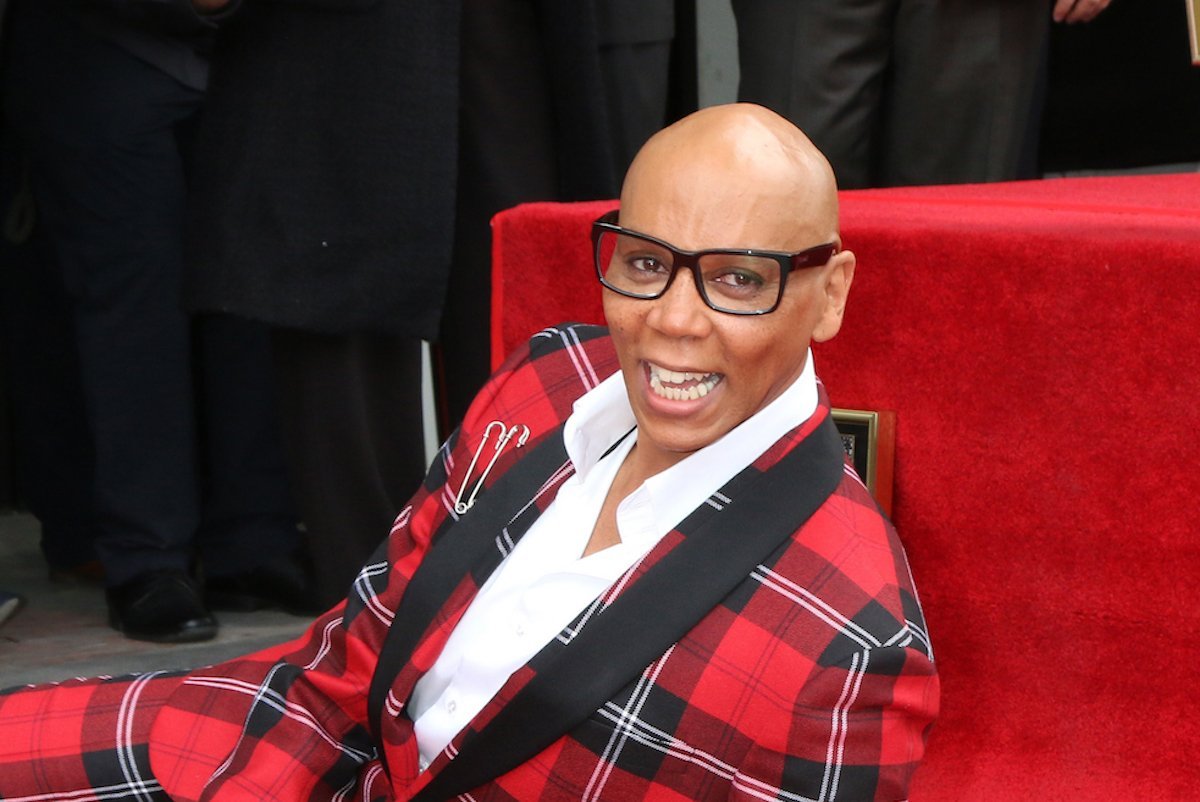
8 Essential Life Lessons From RuPaul Charles
RuPaul Charles is as famous for his spirituality as he is drag. As he launches new self-help book, GuRu, here are eight life lessons we can learn from him.
Queer life and the pursuit of happiness
Finding happiness when you're a member of the LGBTQ community can be hampered by prejudice and homophobia. Roney, community manager at gays.com, shares his thoughts on how to be queer and happy. In the end we all have one thing in common: we are all searching for well-being and happiness. If you ...
Accepting my bisexuality brought me deeper connection and trust
Accepting her bisexuality didn't come fast or easy for our writer, Abi. She thought her bisexual fantasies were normal, but later accepted her true sexuality.