Intolerances

What is intolerances?
Are intolerances and allergies the same?
No, they are not. However, the two disorders are often conflated with one another. Essentially, allergies to food occur when someone’s immune system reacts to a constituent part, or parts, of a food. Usually, this will be an enzyme that the body mistakes for something harmful. Antibodies are generated to fight this benign enzyme which may lead to a great deal of suffering and even toxic shock in the worst cases. Typical food allergies include those to peanuts, shellfish and eggs. Food intolerances, on the other hand, do not involve the immune system. Instead, such intolerances are felt because the digestive system is irritated when certain foods are consumed.
How can you test for intolerances?
Some companies make food intolerance kits which will offer a fair indication of whether you have certain intolerances or not. However, they are not exactly scientific in their approach, and false positives are always possible. Keeping a diary of everything you eat and testing your reaction is often a better approach to take. Either way, seeking professional medical advice is recommended.
Are intolerances hereditary?
Some types of intolerance are known to be hereditary in their nature. Hereditary fructose intolerance falls into this category. It involves an inborn error of the body’s metabolism of fructose – a type of sugar – that is caused by an inherited deficiency of the enzyme known as aldolase B. The hereditary nature of other food intolerances is less well understood. However, given the recent advances in human genome mapping, more and more is being found out about how intolerances are sometimes inherited.
What symptoms of food intolerances are there?
Since food intolerances impact on the digestive tract of most people, the symptoms associated with them tend to occur there. As such, a typical food intolerance symptom would be increased levels of flatulence. This is often associated with bloating, tummy pain and even diarrhoea in some cases. Food intolerances can also affect the skin. Symptoms of this type include the development of a rash or itchiness. Typically, these symptoms will occur within an hour or so of consuming the food concerned.
Articles about Intolerances

The 8 Best Teas For Bloating And Gas
Feeling bloated makes you miserable. Let nature help you to debloat: here are 8 of the best teas for bloating and gas that can improve your digestive health.
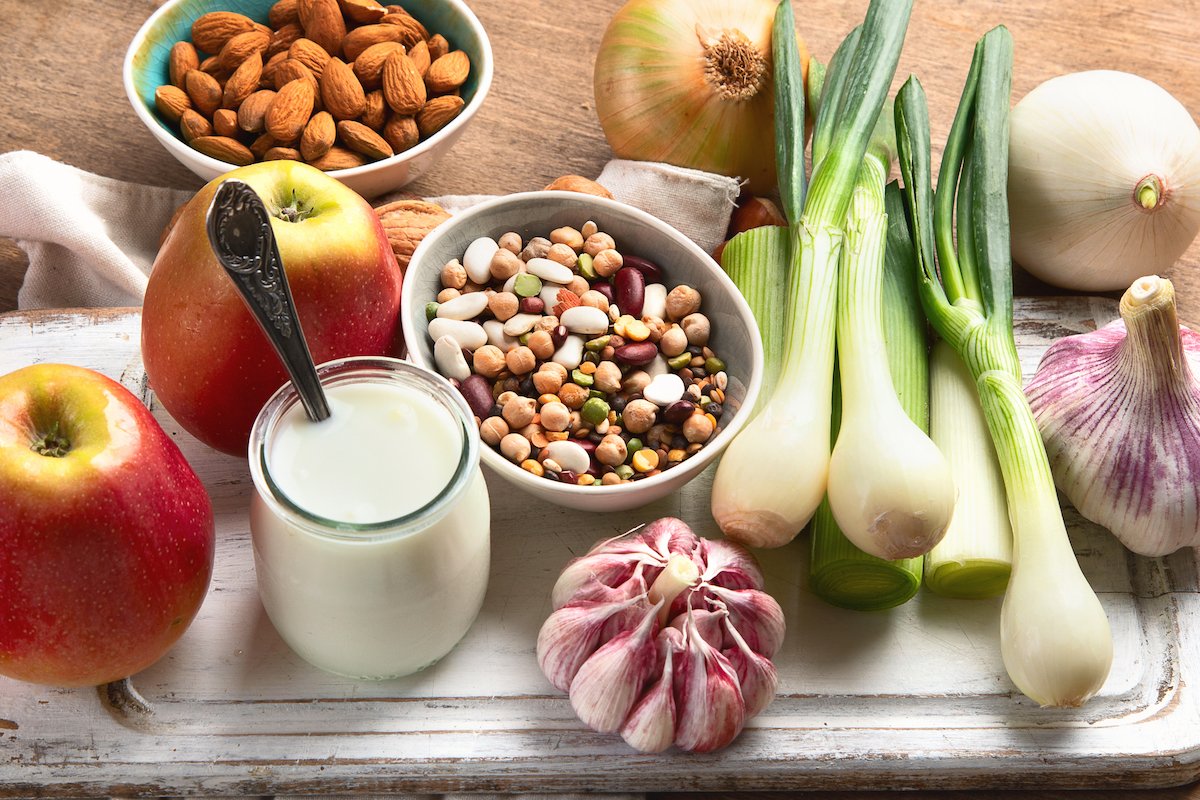
The 15 Best Prebiotics to Include in Your Diet
Discover the benefits of prebiotics offer your digestion and gut health. Plus, learn 15 of the best prebiotic foods that you should add to your diet right away.

How to Heal Your Gut: 11 Ideas to Restore Belly Health
Pinpointing the cause of an unhealthy belly is hard, so try healing your gut yourself. Discover 11 practical ways to restore gut health and feel better.