Hormones
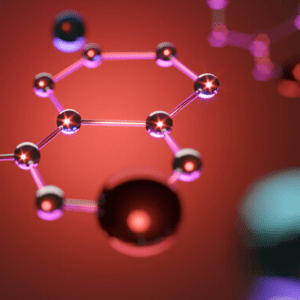
What are hormones?
Who discovered hormones?
Arnold Adolph Berthold is usually ascribed as the person who discovered hormones. He was a German physiologist and a zoologist who specialised in the function of the teste in male animals. In 1849, he noticed that sexual behaviour in birds was not the same if the testes were no longer intact, which led him to the conclusion that they had a role in the production of male chemicals. This lead to the discovery of hormones, specifically testosterone, which is a type of steroid. His work was followed up in the twentieth century by scientists like William Bayliss and Ernest Starling.
Where are hormones produced?
In animals, it is glands that make hormone chemicals. It is here that they are formed and stored. They are then secreted into what is known as the endocrine signalling system, often communicating with the organs in order to alter their behaviour. This means that you do not just need bodily glands that can produce hormones but receptors that can take note of their signals, too. Individual cells in the body may have several types of receptors so that they can respond to different hormone types or even more than one at the same time. The rate of hormone flow from a gland is regulated according to what is known as a homeostatic negative feedback control mechanism.
Can hormones make you angry?
On their own, it is hard to argue that they can make you angry. That said, mood control is associated with certain sorts of hormone. As such, it is certainly fair to say that hormones may make you more predisposed to becoming angry if there is something to set you off with losing your temper. Bear in mind, however, that certain stress hormones are sometimes balanced out by others so merely being exposed to the flow of one type does not make a difference on its own. For humans, hormones function in conjunction with one another as well as with other bodily systems as well as the wider environment.
How do hormones affect your body?
As well as emotions, hormones are responsible for physiological outcomes like reproduction, regulating circadian rhythms, activating the immune system and controlling your metabolic rate. They are also important for apoptosis which regulates the longevity of bodily cells.
Articles about Hormones

Why Do People Volunteer? Discover 7 Benefits of Volunteerism
Besides helping others, why do people volunteer? From purpose to improved self-esteem, here are 7 benefits of volunteerism. Learn how altruism is important.

Losing a Parent: 6 Tips for Dealing With Death and Grief
Mom or dad died? Losing a parent can lead to physical and mental health problems. Here are six ideas that can help you cope with the grief of parental death.

Restorative Yoga: Poses That Invite Deep Relaxation In
Restorative yoga poses encourage deep relaxation, calm, and better sleep. Discover 5 key benefits it brings, plus try a full restorative yoga sequence yourself.